Live Match Tagging: Real-Time Basketball Analytics for Coaches
Live Match Tagging: Unleash Real-Time Analytics with CourtSide Stats
For basketball coaches at the youth and amateur levels, the ability to adapt and adjust during a game can be the difference between a win and a loss. You're constantly evaluating player performance, identifying mismatches, and tweaking your strategy, all while keeping your team focused. Now, CourtSide Stats empowers you with a game-changing tool: Live Match Tagging.
What is Live Match Tagging?
Live Match Tagging allows you to record, tag, and analyze game events in real-time, directly within the CourtSide Stats platform. Instead of waiting until after the game to dissect the film, you can now gain instant insights into what's working, what's not, and make data-driven decisions on the fly. This feature significantly reduces the reaction time to in-game events. It's like having a dedicated analytics expert right on your bench.
How Does it Work?
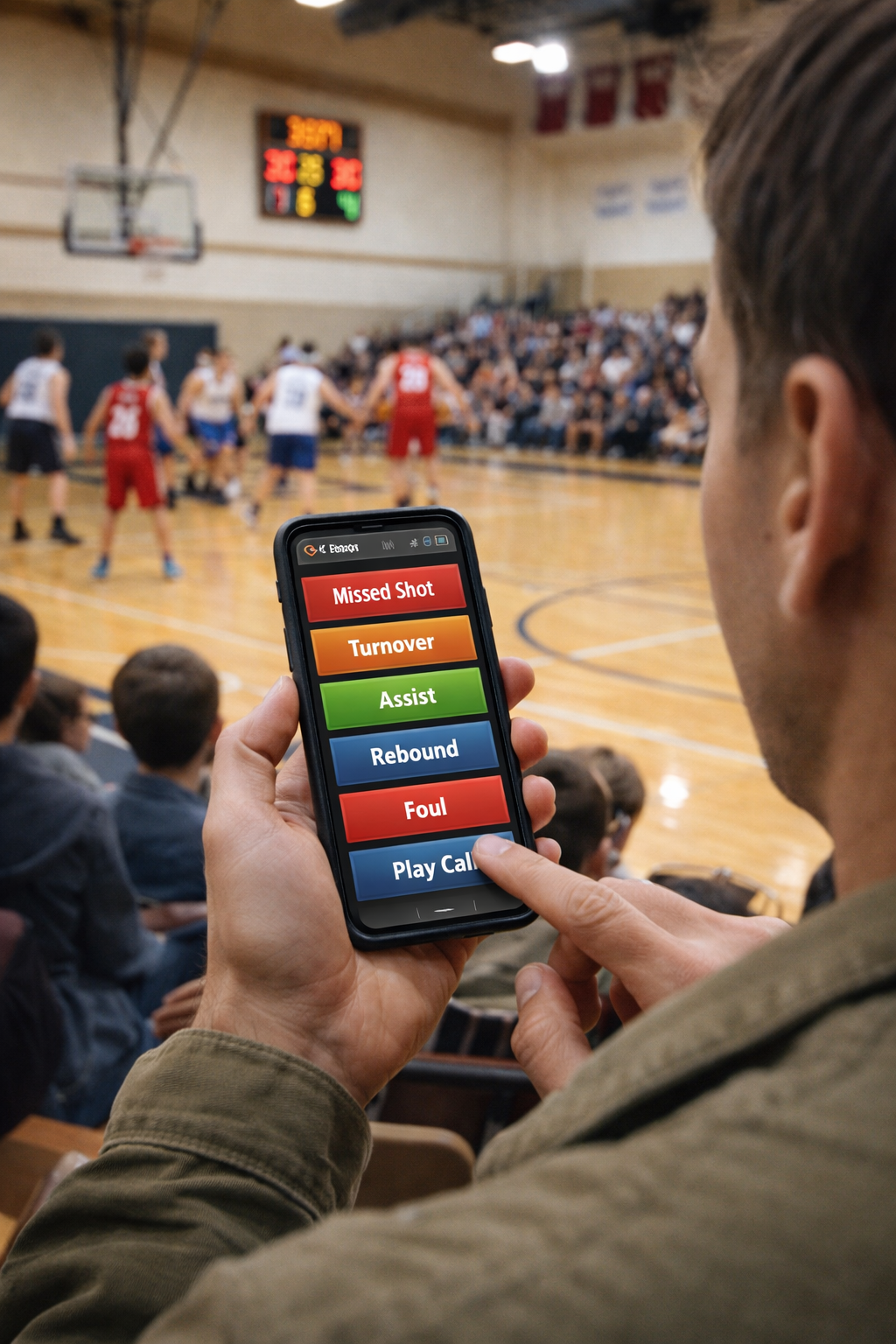
Imagine you are watching your point guard struggle against a specific defensive scheme. With Live Match Tagging, you simply tap or click the relevant action on your tablet or laptop during the game. This creates a timestamped record of the event. You might tag actions like:
- Missed shots
- Turnovers
- Assists
- Rebounds (offensive and defensive)
- Fouls
- Successful defensive stops
- Specific play calls
As you tag these events, CourtSide Stats instantly compiles statistics and generates reports. You can immediately see trends and patterns emerge, such as a player's shooting percentage against a particular defender or the frequency of turnovers on a specific play. This allows you to make immediate adjustments to your game plan, whether it's changing your offensive set, substituting players, or adjusting defensive assignments.
Benefits of Live Match Tagging for Basketball Coaches
Integrating live match tagging into your coaching workflow offers a multitude of advantages:
- Real-Time Insights: Access immediate statistics and reports during the game, enabling quick adjustments.
- Data-Driven Decision Making: Base your coaching decisions on concrete data, not just gut feelings.
- Improved Player Performance: Identify areas where players are struggling and provide targeted feedback during timeouts or halftime.
- Enhanced Game Strategy: Adapt your strategy based on real-time analysis of your opponent's strengths and weaknesses.
- Increased Team Awareness: Share insights with your players during the game to improve their understanding of the game flow.
- More Engaging Film Review: Use the live tagging data to focus post-game film review on specific areas for improvement.
- Player Accountability: Provides factual information which helps coach players in a more meaningful way.
Practical Applications of Live Match Tagging
Let's explore some specific scenarios where Live Match Tagging can make a significant impact:
- Identifying Mismatches: Are your forwards consistently being out-rebounded by the opposing team's guards? Live Match Tagging can quickly reveal this trend, prompting you to adjust your rebounding strategy or player match-ups.
- Analyzing Offensive Efficiency: Is a particular offensive play resulting in a high number of turnovers? Live Match Tagging will display this data, allowing you to switch to a more effective play call or instruct your players to execute the play with greater precision.
- Tracking Defensive Performance: Is your team struggling to defend a specific player on the opposing team? Tag each defensive possession, noting whether the player scored, passed, or turned the ball over. This data will help you identify weaknesses in your defensive scheme and adjust your approach.
- Monitoring Player Fatigue: Track minutes played and key performance indicators (e.g., points, rebounds, assists) for each player. This allows you to identify signs of fatigue and make substitutions to keep your players fresh and performing at their best.
- Adjusting to Opponent Strategies: Is the other team running a specific play repeatedly with success? Tag the play each time they run it, noting the outcome. This will help you anticipate their moves and develop a counter-strategy.
Example: Halftime Adjustment
Imagine it's halftime, and your team is down by 8 points. Using Live Match Tagging data collected during the first half, you discover that your opponent is consistently scoring on pick-and-roll plays, and your point guard has committed four turnovers. With this information, you can address these issues directly with your team during halftime. You might adjust your defensive strategy to better defend the pick-and-roll, and provide specific feedback to your point guard on how to improve their ball-handling and decision-making.
Getting Started with Live Match Tagging
Integrating Live Match Tagging into your game day routine is simple:
- Update Your CourtSide Stats App: Make sure you have the latest version of the CourtSide Stats app installed on your tablet or laptop.
- Create Your Game: Set up your game within the platform, just as you normally would.
- Customize Your Tags: Define the specific tags you want to use based on your team's style of play and your coaching priorities. CourtSide Stats offers a range of pre-defined tags, but you can also create custom tags to suit your needs.
- Start Tagging: As the game unfolds, tap or click the relevant tags to record events. Encourage assistant coaches or team managers to help with the tagging process to ensure comprehensive coverage.
- Analyze the Data: During timeouts, at halftime, or after the game, review the generated reports and statistics to identify key trends and patterns. Use these insights to inform your coaching decisions and improve your team's performance.
- Practice: Like any new skill, it takes practice to become proficient with live tagging. Use scrimmages or practice games to get comfortable with the tagging process before using it in a real game.
Optimizing Your Live Tagging Workflow
To maximize the benefits of Live Match Tagging, consider these best practices:
- Consistency is Key: Ensure that everyone involved in the tagging process understands the definitions of each tag and applies them consistently.
- Delegate Tasks: If possible, assign different individuals to tag different aspects of the game (e.g., offensive plays, defensive possessions, individual player performance).
- Focus on Key Metrics: Don't try to tag everything. Focus on the metrics that are most relevant to your team's goals and strategies.
- Communicate with Your Team: Share the insights gained from Live Match Tagging with your players to improve their understanding of the game and their roles within the team.
- Integrate with Post-Game Film Review: Use the Live Match Tagging data to guide your post-game film review sessions, focusing on specific areas for improvement.
Utilizing Assistant Coaches
Don't try to do everything yourself! Enlist the help of your assistant coaches or team managers to assist with the tagging process. One person can focus on tagging offensive plays, while another focuses on defensive possessions, ensuring more comprehensive and accurate data collection.
The Future of Basketball Analytics: Live and Interactive
Live Match Tagging represents a significant step forward in basketball analytics, bringing real-time data and insights to coaches at all levels. By embracing this technology, you can gain a competitive edge, make smarter decisions, and ultimately, help your team reach its full potential. As the technology develops, you can expect even more detailed insights and real-time integration into the game. This is a great way to prepare players for the next level.
Elevate Your Game Today!
Ready to experience the power of Live Match Tagging? Visit CourtSide Stats today to learn more and start your free trial. See how real-time analytics can transform your coaching and unlock your team's winning potential.